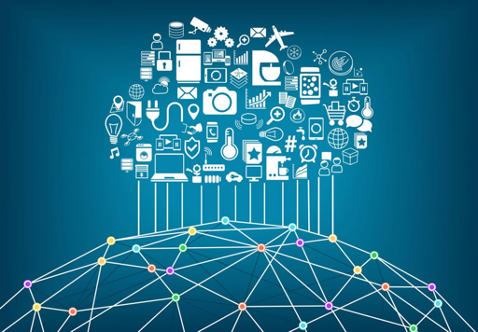
We are living in an era where everything is connected, a time where digital technology is used more often to connect and interact in our daily lifestyle. This interaction is possible thanks to the development of smart devices and the integration of a concept called: Internet of Things (IoT).
An IoT network refers to a collection of interconnected devices (computing devices, mechanical and digital machines) that communicate with other devices without the need for human involvement, such as autonomous cars, smart appliances, and wearable tech.
Smart gadgets are directly related to the fast growth of global mobile data traffic; this data increment is creating the need for new applications and services that are demanding:
- High Capacity
- Large Bandwidth
- Low Latency
- Mobility
The network infrastructures most associated with IoT systems are 4G LTE and 5G, which are built to support the resource demands of the IoT devices.
IoT networks are more than Internet-connected consumer devices. In the near future, your IT organization (and even your country) will need to create an infrastructure to support it, bringing as a consequence the necessity to invest in the right infrastructure first.
Based on this point, we can say that there is no single architecture that will appropriately fit all areas of IoT; however, there is a four-stage IoT network architecture that is used today as a support for many IoT systems:
Four-stage architecture of an IoT system
Stage 1 Sensors/actuators: typically consist of wireless sensors and actuators that gather and collect the data from the “Things” (devices, machines, smart appliances, people, environmental sensors, cameras, etc.).
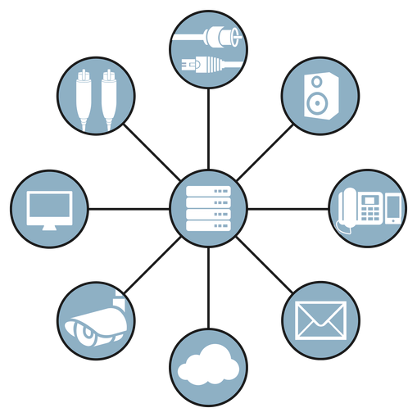
Stage 2 Data Acquisition Systems, Internet Gateways: since the data from sensors comes in analog form, this stage includes data aggregation systems and analog-to-digital data conversion. Data Acquisition Systems (DAS) perform these data aggregation and conversion functions. The DAS connects to the sensor network, aggregates outputs, and performs the analog-to-digital conversion. The Internet gateway receives the aggregated and digitized data and routes it over Wi-Fi, wired LANs, or the Internet.
Stage 3 Edge IT: Edge IT processing takes place at or near the physical location of either the user or the source of the data, and provides smart computing services nearby. The main purpose is processing data for low-latency applications or preprocessing the data before it moves on to the data center or cloud.
Stage 4 Data Center/Cloud: the data that doesn’t need immediate processing can be analyzed, managed, and stored on traditional back-end data center systems.
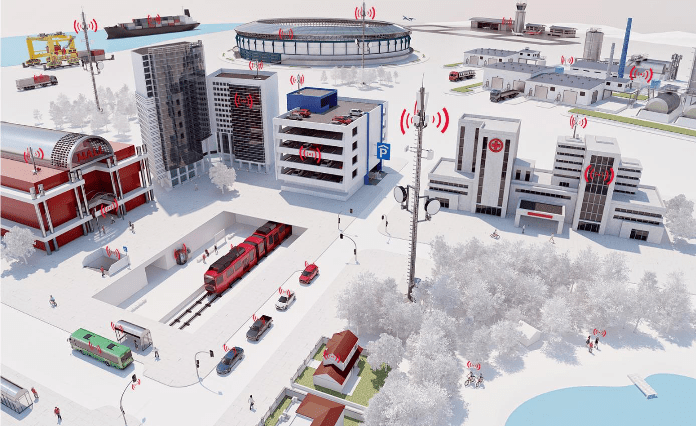
Technology represents a big part of our daily activities. IoT networks can be applied in several scenarios that will not only improve our quality of life but also allow us to automate some industrial processes and operations, creating what we call Industry 4.0.
One key point on IoT networks implementation is the ability to adapt. In this period of technology evolution, we need to remember that it is not the strongest or the most intelligent who will survive, but those who can best manage change. Taking this quote as reference, we would like to ask you if you are taking the necessary measures that will allow your business operation to adapt to this technology evolution? At PROSE (previously known as Rosenberger), our expertise and background can help you to answer this and many other questions regarding IoT challenges; we offer a team of specialists that can support you through the process of IoT network consultation, design, and implementation. If you would like to know how we can support you, please do not hesitate to contact us; we will be very delighted to help you and guide your business to an IoT integration.


 Built for reliable connectivityExplore More
 Built for reliable connectivityExplore More
 Built for reliable connectivityExplore More
 Built for reliable connectivityExplore More
 Built for reliable connectivityExplore More
 Built for reliable connectivityExplore More
 Built for reliable connectivityExplore More
 Built for reliable connectivityExplore More
 Built for reliable connectivityExplore More
 Built for reliable connectivityExplore More
 Built for reliable connectivityExplore More
 Built for reliable connectivityExplore More
 Built for reliable connectivityExplore More













_70x60.png)


.png)


.png)







.jpg)